

The Real Reason Your Substack Ideas Aren’t Growing — and How Branding Can Change Everything in 2026
A practical breakdown of why most creators stay stuck — and how a clear branding strategy can finally help your Substack stand out, grow, and reach the right audience.

How many times have you wanted to do something but didn’t have the courage?
And how many of your ideas could have been worth millions, if only you’d had the right strategy to bring them to life?
While I was working on my new Branding Masterclass, I realized how many times I’ve stopped myself simply because I didn’t have the right knowledge. You know the feeling - when a million‑dollar idea hits you, you get super motivated… and then you give up just as quickly.
And after that, you start feeling sorry for yourself again and convince yourself that success stories just aren’t meant for you.
Let’s be honest:
Not everyone is born into a wealthy family, and many of us spent our teenage years working at McDonald’s.
There’s nothing wrong with that. In fact, I believe that part of my motivation today comes from not wanting to go back to where I once was - simply because I believe I deserve more.
That’s exactly how I ended up getting into branding and design - almost as a joke. And you know what they say: the ideas that come to us “as a joke” are often the strongest ones, even if we don’t realize it at the time. I think that was my case too, and I’m endlessly grateful for it.
What no one told me, however, is that even in the 21st century most people still don’t really know what branding actually is or how to use it.
Recently, my partner and I were talking about the upcoming trends for 2026.
What I didn’t expect to hear was:
“Do you think people even know what branding means for them? Do you think they can apply it in practice, not just in theory?”
These questions stunned me - and honestly, grounded me.
I started analyzing the topic more deeply and realized:
A lot of people don’t know what branding is, and that’s completely normal. Most assume it’s just a pretty name and nothing more. Another trendy term that sounds nice but doesn’t mean much. I get it - I’d probably think the same if I didn’t work in this field professionally.
That’s exactly why I decided to show you what branding looks like across different Substack categories.
I know how many creators are just getting started, and that’s why I wanted to share part of my knowledge with you — because we’re all tired of theory and we need more practical guidance.
1. Parenting Category
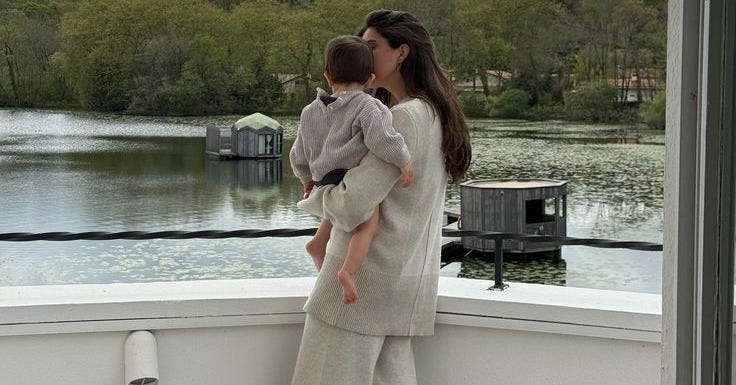
Meet Kathy - she’s a new mom who decided to start her own Substack newsletter in the Parenting niche. Her goal is to create content that helps other mothers with newborns and early childcare.
I analyzed Kathy’s brand - her articles had emotional triggers, but they still didn’t stand out among other creators.
Here’s what we discovered after applying a few insights from my Branding Masterclass:
The parenting niche is oversaturated, and strong positioning helps her become more recognizable.
She needs the right audience, not just empty numbers.
She wants people to recognize her for her voice and presence online.
She wants to work with a real strategy, not just read dry facts with no application.
Conclusion: Branding is a powerful tool for every creator - beginner or advanced.
2. Food & Drink Category
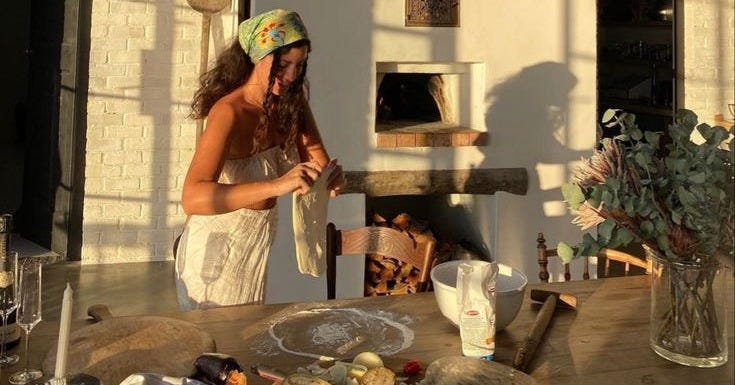
Recently, I came across a podcast about food, drinks, and good conversations.
What stood out to me was that the creator had almost no presence on Substack, even though the content was clearly good.
After a detailed analysis and a conversation with the author - let’s call him George - we realized branding was essential because:
The online space is oversaturated with recipes, reviews, and recommendations, making it hard for new creators to stand out.
Trust is everything — if you want readers to rely on you, you need the right approach.
Visuals feed the senses, and that sparks interest — without the right setup, you can’t build a distinctive brand.
The audience must be niche‑specific, and that requires proper branding skills.
3. Philosophy Category

Diana is a student at Oxford University. She specializes in classical literature, but in her free time she reads Kafka and explores deep existential themes.
She starts writing essays she can’t wait to share with the world.
No matter how good her writing is, she can’t reach the right audience. Her goal is to build a brand known for thoughtful, emotionally resonant essays.
Why is branding the first step in her creator journey?
Better positioning and reaching the right audience
A visual presence that makes people notice her more often
Monetizing her essays — from anonymous letters to a high‑quality product that brings her income
4. Business Category

Paul owns an online business - specifically using Shopify. His business has been successful for the past five years, and now he wants to take the next step: sharing his knowledge online.
The problem is that promoting a product relies heavily on Meta Ads, but promoting knowledge requires a completely different approach.
Here’s where branding helps:
Building the right connection with readers so interest grows naturally
Positioning the business as a real source of income, not just a hobby
Saving time and avoiding unnecessary mistakes
Additional monetization and potential collaborations alongside his products
As you can see, branding can be part of every niche - as long as it’s used correctly.
That’s exactly why I started this series: I want more people to understand the core of branding and start earning from it. I truly believe that with the right strategy, persistence, and consistency, everything is achievable.
If you’re interested, I’d love to explore your category next time so I can help you too.
Recommend to a friend and win prizes. Sharing is caring❤️
If you like my work and want to support me, a coffee is always a great way to do so


© 2025 Creative Hub. This publication is protected by copyright law.
Finally, someone showcased branding in all its glory! Your idea with examples is amazing. I’d love it if you could also include an example from film, for instance, because my friend @johnathonhaney writes in a very specific niche, and I believe it would really help him.
What about those who is still figuring about their identity like which ideas are working for their audience or if they have interest in multiple topic.